Our story
Stable under pressure.
The proton takes its name from the Greek prōtos, "first." It sits at the center of every atom, and the number of protons decides what that atom is: 22 makes titanium, 28 makes nickel. Packed into the nucleus, protons push apart with enormous force, yet the strongest force in nature holds them in place, and no one has ever seen a proton fail.
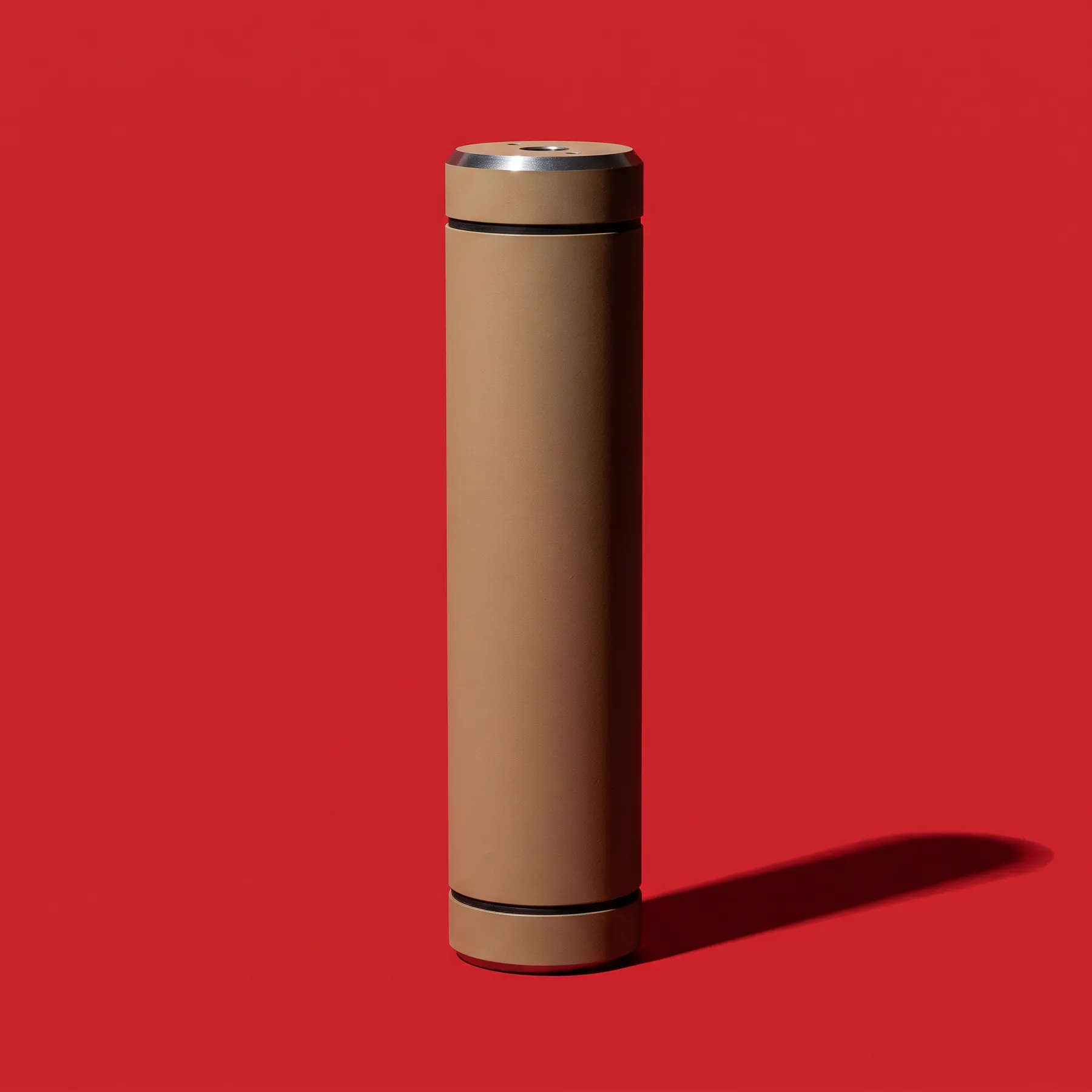
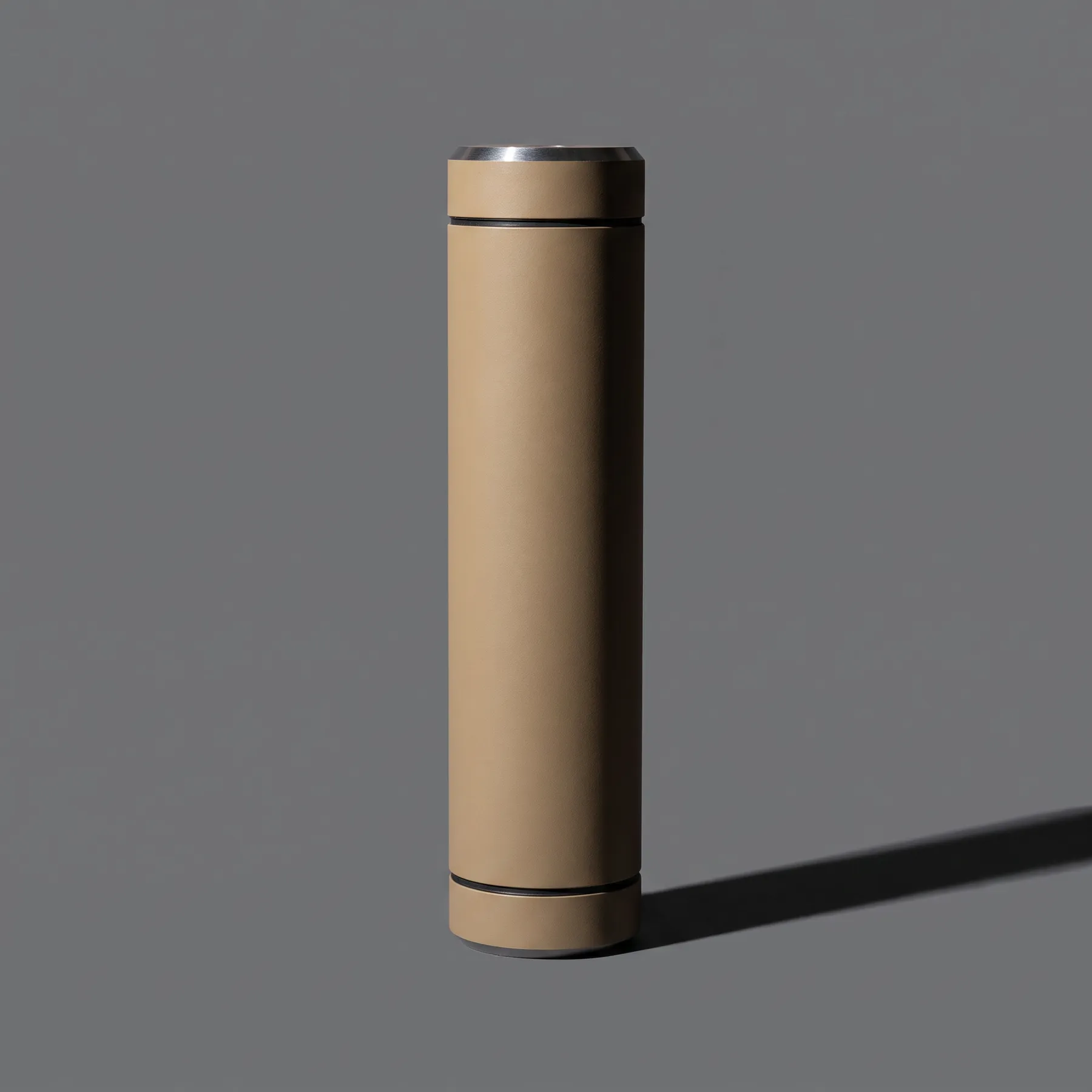
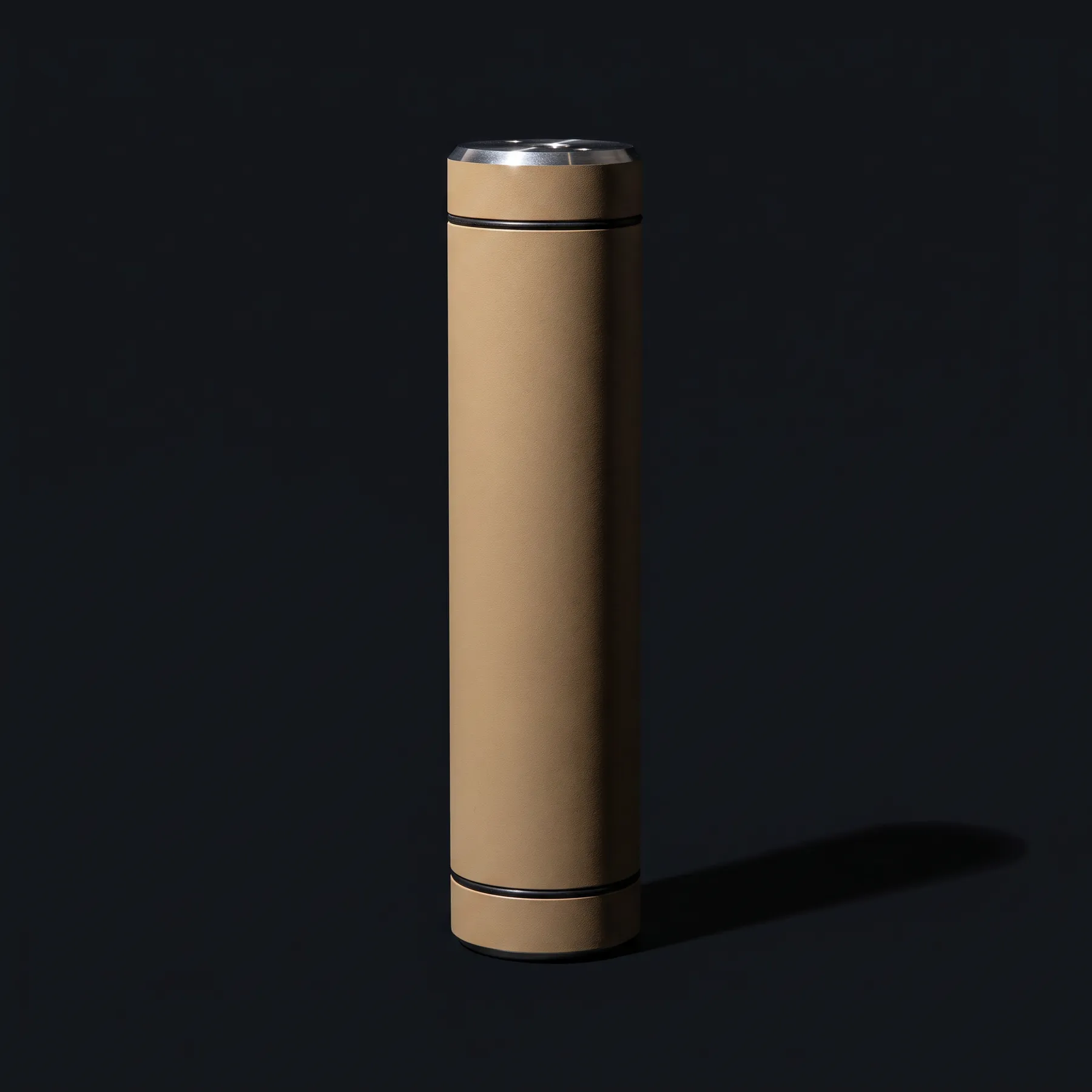
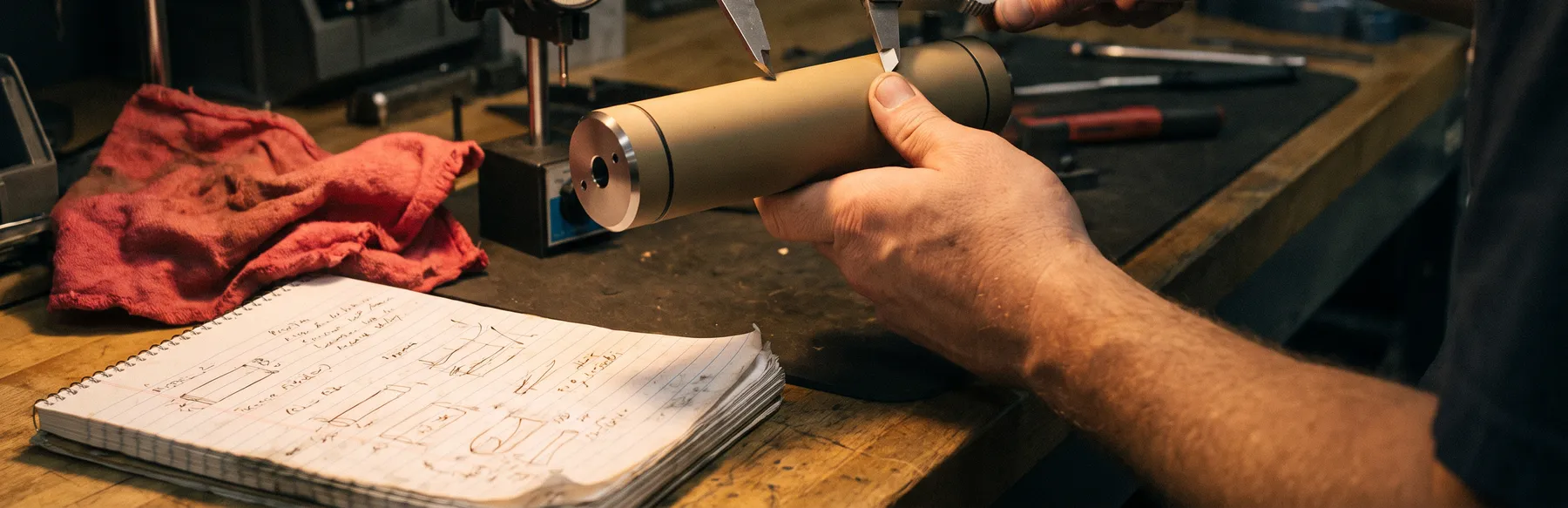
That's the job of a suppressor: hold violent energy in a small space, shot after shot, without breaking. Protonic Precision builds suppressors from first principles, to the tolerances physics demands.
We're two brothers, and like a proton, most of our strength comes from what holds us together.
What we believe
How we work
Physics is the story
Protons explain our name. They are never a product claim. Nothing we make uses "proton technology."
Specs sell the product
dB with the test method, length, material and thread. If we haven't measured it, we don't print it.
One system
Every can, mount and piston shares one 1-3/8x24 rear thread, so the parts work together.
The mark
p+, drawn on a grid
Physicists write the proton as p⁺. Our mark is that symbol: a perfect ring, the shape of a can seen end-on, and a plus with an open center, so it reads as a reticle as well as a charge.
Our colors are an atom. Red is the proton (+), grey the neutron (0), black the electron (−). The red belongs to the plus and almost nothing else.